Talent · crew · locations
A production day is a moving target. So is the transport plan.
Talent, crew and producers between airport, hotel, set and location — with equipment on its own vehicles and a schedule that changes every afternoon.
Available on requestPriced on the programme, not on a per-trip guess.
Part of Specialty Services · all services
What this service handles
Production transportation is defined by the fact that the call sheet is provisional. A location moves, a scene is added, the wrap slides three hours, and every movement downstream has to move with it.
VaultPac holds a production day as one trip carrying many movements: talent on their own arrangements, crew on shuttles, producers point to point, and cases and wardrobe on cargo vehicles. When the day changes, the movements are re-timed on the board rather than rebooked one call at a time.
The combination is the point. Most transportation vendors can move people and most freight companies can move cases; a production needs both moving against the same schedule, and needs one person who can see all of it.

Typical movement
- Arrivals Talent and crew, terminal or FBO, often on different days
- Hotel and set movements Early calls, staggered by department
- Equipment and wardrobe Cargo vehicles on their own timing
- Location changes mid-day Movements re-timed on the board
- Wrap and returns Late, and later than planned
Who uses this service
- Production companies
- Line producers and production managers
- Transportation coordinators
- Commercial and content producers
- Studios and networks on location
- Talent agencies and management
How VaultPac coordinates it
Every booking is a trip. A trip carries trip services, and each service breaks into the individual movements that actually have to happen — which is why the people and the bags do not have to travel the same way.
- Trip
- Trip services
- Individual movements
-
Trip → Trip Services → Movements
One trip holds every service on it, and each service breaks into the individual movements that have to happen. A single booking can carry people and bags on different vehicles and different clocks without becoming two bookings.
-
Passenger movement
Sedan, SUV, Sprinter, minibus and coach movements priced and dispatched by the transportation engine.
-
Multiple vehicles
Several vehicles on one itinerary, each with its own assignment, timing and passenger list.
-
Separate cargo vehicle
A dedicated vehicle for bags, cases or equipment running alongside the passenger vehicles rather than inside them.
-
Changes during the trip
Times, stops, vehicles and passenger counts can change after a trip has started without rebooking it.
-
Dispatch monitoring
Every movement on one board while it runs, so a late arrival is seen rather than reported.
-
Luggage movement
Bags booked as their own movement, with their own route, their own timing and their own proof.
-
Ordered stops
A movement can carry intermediate stops in order, so a route with three pickups is one movement rather than three bookings.
-
Operator assignment
Movements assigned to a specific operator and vehicle, with the assignment visible to dispatch throughout.
-
Masked communication
Passenger and chauffeur reach each other without either holding the other's number.
What runs this movement
Assignment reads the passenger count and the bag count, so the vehicle that arrives fits both. Larger movements run several.
-
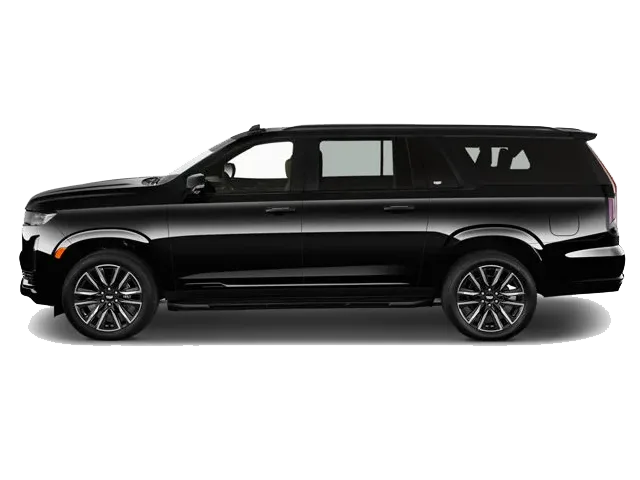 SUV
SUV
-
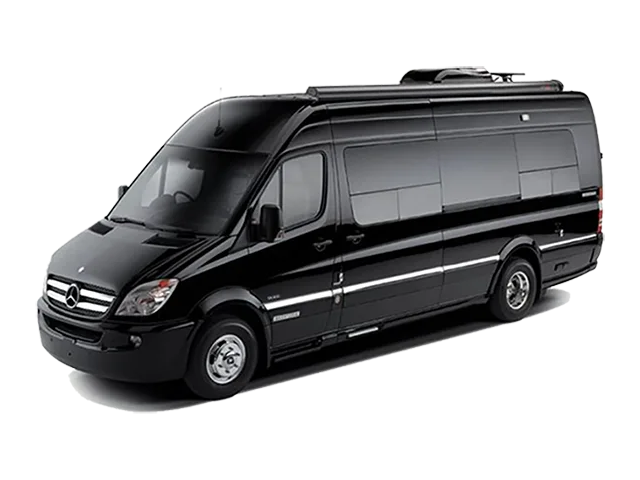 Sprinter
-
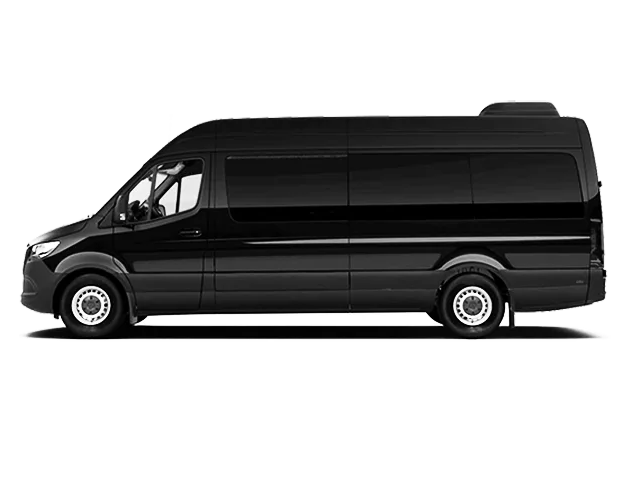 Passenger van
-
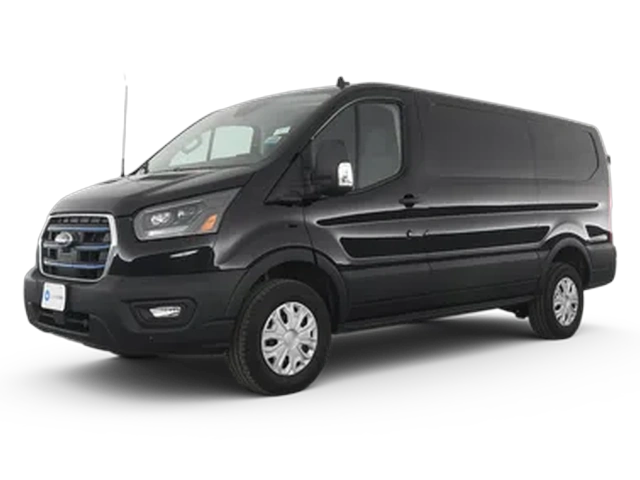 Cargo vehicle
Why VaultPac for this
- People, bags and equipment under one trip, which is what a production actually needs coordinated.
- A schedule change re-times every dependent movement rather than requiring a call per vehicle.
- Cargo movements carry the same custody record as luggage.
- Dispatch holds the day, so the coordinator is not the only person who knows where anything is.
The operating experience behind VaultPac
The operating background behind VaultPac includes production and entertainment transportation — coordination performed by Chicago Limousine for production, talent and entertainment work, rather than by VaultPac.
VaultPac was built by transportation operators. Where this site describes earlier work, that work was performed by Chicago Limousine — the transportation operation behind VaultPac — and not by VaultPac itself.
Questions
Can you handle both the people and the gear?
Yes, and that is the reason to book them together. Passenger movements and cargo movements sit on the same trip, so a location change moves both rather than one.
How late can movements run?
Wrap times are agreed as blocks rather than as fixed pickups, because a production day that ends when it was supposed to is unusual.
Can we book a vehicle for the whole day?
Yes — as-directed hours are the normal structure here rather than the exception.
Next step
Plan production transportation with us
Tell us the shape of the movement — dates, numbers, where it starts and where it has to end. We come back with an operating plan and a price, not a form letter.