
Booked in hours, not in trips
The car stays. The plan can change.
A vehicle and chauffeur held for a block of hours — for meeting days, events, game days and itineraries that are not finished being written.
Live pricing on the transportation booking flow.
Part of Corporate & Executive · all services
What this service handles
Point-to-point booking assumes you know where you are going and when. A lot of the most valuable ground transportation is the opposite: a day with a rough shape, a set of places you might need to be, and a requirement that the car is outside when you walk out.
As-directed is booked in hours. The vehicle and chauffeur stay with the passenger or the group for the block, stops are added as the day decides them, and nobody is renegotiating a pickup time from a restaurant.
It is the underlying structure of several other things on this site — game-day charters, roadshows, VIP days, protective coordination, production days. Wherever the itinerary is written as the day runs, this is the movement underneath.

Typical movement
- Block of hours agreed Start time, duration, vehicle class
- Vehicle stays with the party Between stops rather than released
- Stops added as they happen Recorded on the movement
- Extended if the day runs long On the board, not by rebooking
- Released at the end of the block Actual hours recorded against the account
Who uses this service
- Executives with a full meeting day
- Groups attending an event
- Roadshow and investor programmes
- Production and entertainment teams
- Game-day and sports groups
- Anyone whose schedule is still moving
How VaultPac coordinates it
Every booking is a trip. A trip carries trip services, and each service breaks into the individual movements that actually have to happen — which is why the people and the bags do not have to travel the same way.
- Trip
- Trip services
- Individual movements
-
Passenger movement
Sedan, SUV, Sprinter, minibus and coach movements priced and dispatched by the transportation engine.
-
Ordered stops
A movement can carry intermediate stops in order, so a route with three pickups is one movement rather than three bookings.
-
Changes during the trip
Times, stops, vehicles and passenger counts can change after a trip has started without rebooking it.
-
Trip → Trip Services → Movements
One trip holds every service on it, and each service breaks into the individual movements that have to happen. A single booking can carry people and bags on different vehicles and different clocks without becoming two bookings.
-
Dispatch monitoring
Every movement on one board while it runs, so a late arrival is seen rather than reported.
-
Account billing
Charges belong to an account rather than to a single booking, so one programme can carry several contacts, cards and cost centres.
-
Operator assignment
Movements assigned to a specific operator and vehicle, with the assignment visible to dispatch throughout.
-
Masked communication
Passenger and chauffeur reach each other without either holding the other's number.
What runs this movement
Assignment reads the passenger count and the bag count, so the vehicle that arrives fits both. Larger movements run several.
-
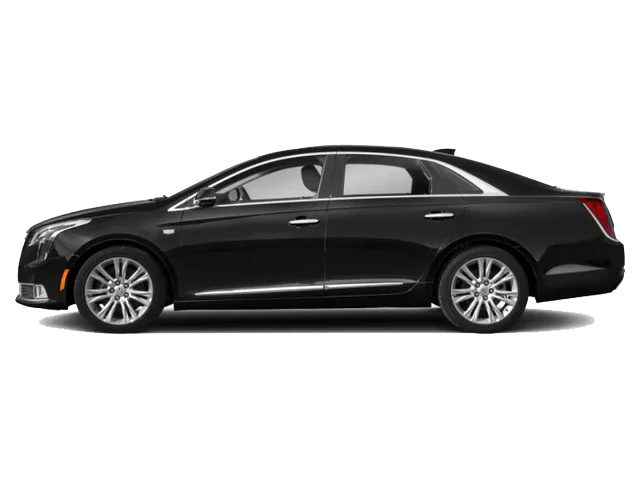 Executive sedan
-
 SUV
SUV
-
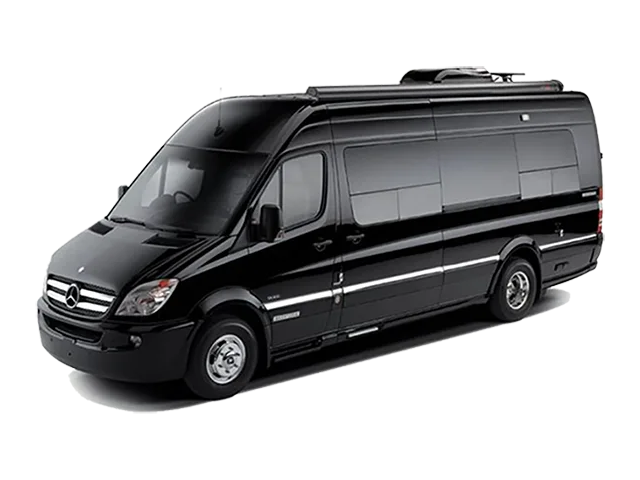 Sprinter
Why VaultPac for this
- Hours, not trips — so a day that changes does not become a booking problem.
- Stops are recorded on the movement as they happen rather than reconstructed afterwards.
- Sits on the same trip as scheduled transfers, so a day can be half planned and half standby.
- Extending is a change on the board rather than a new booking at a worse price.
The operating experience behind VaultPac
Hourly and as-directed work — including all-day assignments where a vehicle stayed with a group through an event and returned afterwards — was a recurring pattern in the transportation operation behind VaultPac.
VaultPac was built by transportation operators. Where this site describes earlier work, that work was performed by Chicago Limousine — the transportation operation behind VaultPac — and not by VaultPac itself.
Questions
What is the minimum booking?
As-directed is priced in hours with a minimum block that depends on the vehicle class and the day. The booking flow shows it rather than leaving it to be discovered later.
What if we run over?
The block is extended on the board and the actual hours are what is charged. Nobody is asked to rebook from a restaurant at ten o'clock.
Can we add stops we did not plan?
That is the point of the movement. Stops are added as the day decides them and recorded against the trip.
Next step
Plan as-directed standby with us
Tell us the shape of the movement — dates, numbers, where it starts and where it has to end. We come back with an operating plan and a price, not a form letter.