Chicago ⇄ South Bend
Chicago to Notre Dame, and the vehicle stays for the game
An all-day charter rather than two transfers: the vehicle and chauffeur go to South Bend with you, remain available through the game, and bring the group home afterwards.
Available on requestPriced on the programme, not on a per-trip guess.
Part of Specialty Services · all services
What this service handles
Nearly everybody books Notre Dame game day the wrong way. Two one-way transfers, ninety miles apart, four hours between them — which means a vehicle deadheads back to Chicago, a second vehicle deadheads out, and the group has no car and no driver from the moment they are dropped off.
The correct shape is an as-directed charter. The vehicle and chauffeur leave Chicago with the group, drive to South Bend, and stay. Through tailgating, through the game, through whatever the afternoon turns into. Coats, bags and everything nobody wants to carry into the stadium stay in the vehicle. When the group is ready — not when a pickup time said they would be — they go home.
It works in SUVs, Sprinters, minibuses and coaches, sized to the group. The day is booked in hours rather than as legs, so a game that runs long, an overtime, or a decision to stay for dinner in South Bend is a change on the board rather than a new booking at stadium-exit prices.
Typical movement
- Chicago pickup Hotel, home or office — one vehicle for the whole group
- Drive to South Bend Roughly two hours, longer on a game morning
- Vehicle remains on standby Through tailgating and the game itself
- Post-game pickup When the group is ready, not at a fixed time
- Return to Chicago Same vehicle, same chauffeur, same day
Who uses this service
- Alumni and fan groups
- Corporate hospitality and client entertaining
- Families travelling to games
- Season ticket holders
- Reunion and class groups
- Hotels and concierges booking for guests
How VaultPac coordinates it
Every booking is a trip. A trip carries trip services, and each service breaks into the individual movements that actually have to happen — which is why the people and the bags do not have to travel the same way.
- Trip
- Trip services
- Individual movements
-
Passenger movement
Sedan, SUV, Sprinter, minibus and coach movements priced and dispatched by the transportation engine.
-
Ordered stops
A movement can carry intermediate stops in order, so a route with three pickups is one movement rather than three bookings.
-
Trip → Trip Services → Movements
One trip holds every service on it, and each service breaks into the individual movements that have to happen. A single booking can carry people and bags on different vehicles and different clocks without becoming two bookings.
-
Changes during the trip
Times, stops, vehicles and passenger counts can change after a trip has started without rebooking it.
-
Dispatch monitoring
Every movement on one board while it runs, so a late arrival is seen rather than reported.
-
Multiple vehicles
Several vehicles on one itinerary, each with its own assignment, timing and passenger list.
-
Operator assignment
Movements assigned to a specific operator and vehicle, with the assignment visible to dispatch throughout.
-
Masked communication
Passenger and chauffeur reach each other without either holding the other's number.
-
Oversized & special items
Golf bags, trade-show cases, strollers, production cases and similar items counted on the movement so the right vehicle is assigned.
What runs this movement
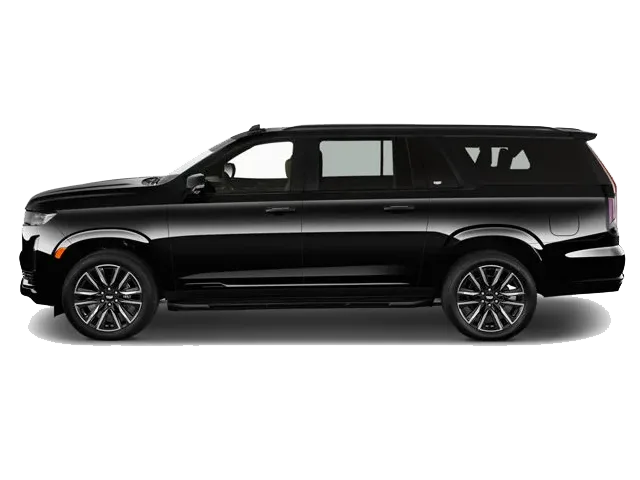
Assignment reads the passenger count and the bag count, so the vehicle that arrives fits both. Larger movements run several.
-
 SUV
SUV
-
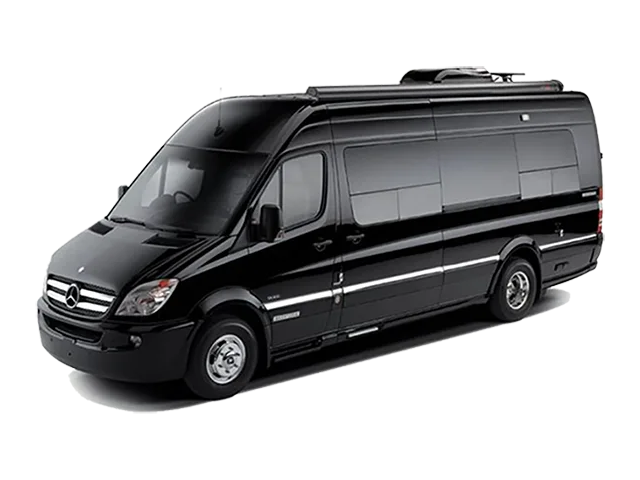 Sprinter
-
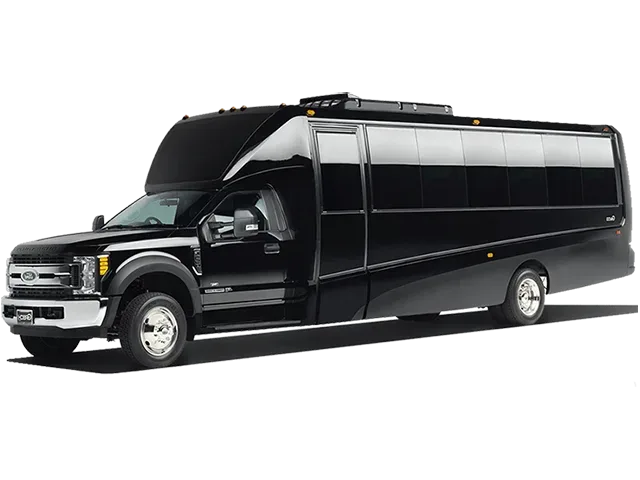 Minibus
-
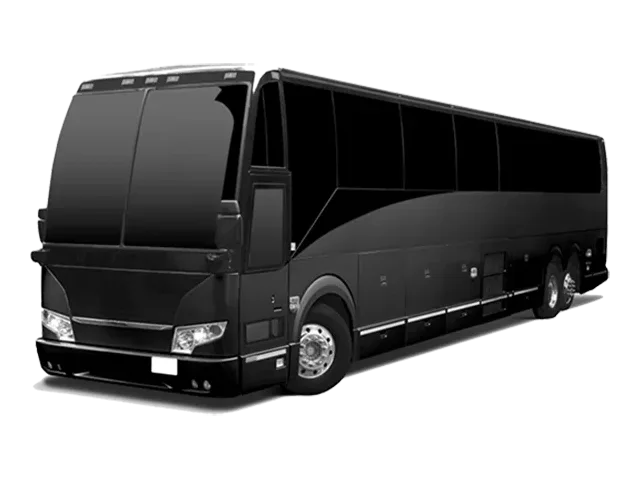 Motorcoach
Why VaultPac for this
- Booked as hours, not as legs — so the vehicle is yours for the day rather than gone by kickoff.
- Everything you do not want in the stadium stays in the vehicle.
- A game that runs long extends the block on the board instead of stranding the group.
- Multiple vehicles for larger parties stay on one trip with one point of contact.
The operating experience behind VaultPac
The transportation experience behind VaultPac includes repeated Chicago–South Bend game-day and university movement — quoted and operated by Chicago Limousine, frequently on exactly this all-day standby pattern rather than as separate transfers. That operating history is why VaultPac models the day in hours rather than in legs.
VaultPac was built by transportation operators. Where this site describes earlier work, that work was performed by Chicago Limousine — the transportation operation behind VaultPac — and not by VaultPac itself.
Questions
Why book an all-day charter instead of two transfers?
Because two transfers leave you without a vehicle for five hours in South Bend, and you pay for two deadhead legs anyway. On an all-day charter the vehicle stays with you, your coats and bags stay in it, and there is no pickup time to renegotiate when the game runs long.
How long does the day actually run?
Plan on twelve hours door to door for an afternoon kickoff, longer for a night game. We build the block from the kickoff time and the group's plans rather than from a formula.
What vehicles are available?
SUVs for small groups, Sprinters and minibuses for mid-size parties, coaches for large ones. Larger groups often run several vehicles, which stay on one trip with one point of contact.
What if the game goes to overtime?
The block extends on the board and the actual hours are what is charged. Nobody is trying to rebook a vehicle from a stadium car park.
Do you tailgate-drop and come back?
You can book it that way, but it is usually worse value than standby once you count both deadhead legs — and it means the vehicle is not there if the weather turns.
Next step
Plan notre dame game day with us
Tell us the shape of the movement — dates, numbers, where it starts and where it has to end. We come back with an operating plan and a price, not a form letter.