The signature combination
One booking. Two vehicles. Two different routes.
A sedan or SUV for the passengers and a cargo van for the bags, moving on separate routes and separate timings under a single trip.
For many bags, oversized items or a separate cargo route.
Part of Transportation · all services
What this service handles
This is the movement that most clearly shows what VaultPac is for. The passengers go one way, the bags go another, and both are one booking.
It solves a set of problems that are otherwise unsolvable. A party of four with eight bags who would need a Sprinter for the luggage and want a sedan for the ride. An executive going to a meeting while the suitcases go to the hotel. A family arriving before check-in. A group whose coach would otherwise spend twenty minutes at a kerb.
Both movements sit on one trip with one price and one point of contact, and the luggage movement carries the full custody record — tagged, scanned and proven at both ends — while the passenger movement is dispatched like any other.
Typical movement
- One booking, two movements Passenger and luggage, on one trip
- Bags tagged and scanned Into the cargo vehicle, under custody
- Separate routes Hotel for the bags, meeting for the passengers
- Separate timings Bags often arrive first
- Proof at the luggage delivery Recipient and time recorded
Who uses this service
- Business travellers going straight to a meeting
- Families with more bags than seats
- Golf, ski and equipment travellers
- Groups on coaches
- Private aviation passengers
- Limousine operators removing luggage stops
How VaultPac coordinates it
Every booking is a trip. A trip carries trip services, and each service breaks into the individual movements that actually have to happen — which is why the people and the bags do not have to travel the same way.
- Trip
- Trip services
- Individual movements
-
Trip → Trip Services → Movements
One trip holds every service on it, and each service breaks into the individual movements that have to happen. A single booking can carry people and bags on different vehicles and different clocks without becoming two bookings.
-
Passenger movement
Sedan, SUV, Sprinter, minibus and coach movements priced and dispatched by the transportation engine.
-
Luggage movement
Bags booked as their own movement, with their own route, their own timing and their own proof.
-
Separate cargo vehicle
A dedicated vehicle for bags, cases or equipment running alongside the passenger vehicles rather than inside them.
-
QR custody scan
Every bag carries a tag. Each change of hands is scanned, so custody is a record rather than a recollection.
-
Proof of delivery
Time, place and who received the item, captured at delivery.
-
Oversized & special items
Golf bags, trade-show cases, strollers, production cases and similar items counted on the movement so the right vehicle is assigned.
-
Dispatch monitoring
Every movement on one board while it runs, so a late arrival is seen rather than reported.
-
Ordered stops
A movement can carry intermediate stops in order, so a route with three pickups is one movement rather than three bookings.
What runs this movement
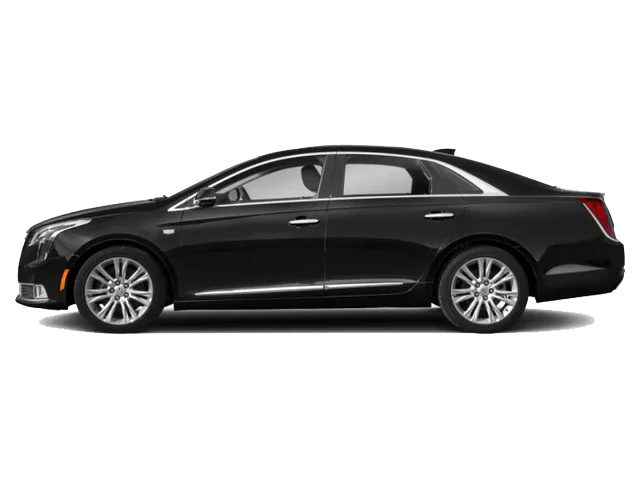
Assignment reads the passenger count and the bag count, so the vehicle that arrives fits both. Larger movements run several.
-
 Executive sedan
-
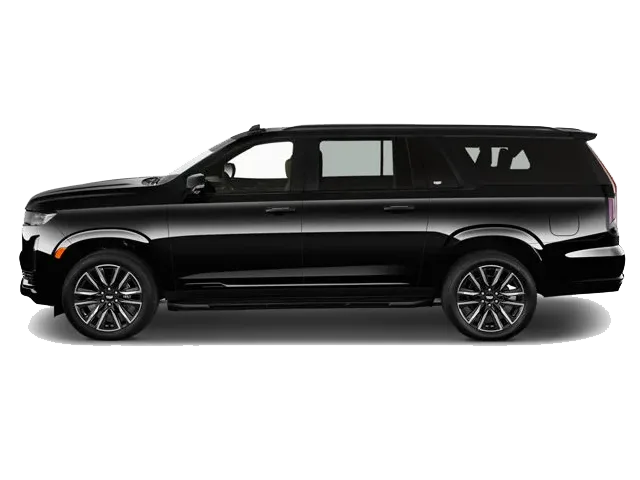 SUV
SUV
-
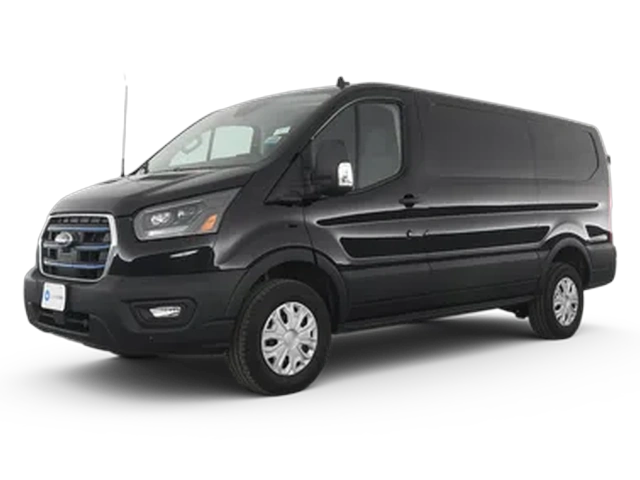 Cargo vehicle
Why VaultPac for this
- Two movements, one booking — which almost nothing else in ground transportation offers.
- The passenger vehicle is sized for people, not for a worst-case luggage count.
- Bags get a custody record while the passengers get a car.
- Different destinations for the two, which is frequently the actual requirement.
Questions
Do both vehicles have to go to the same place?
No, and usually they should not. The bags going to the hotel while the passengers go to a meeting is the most common version of this booking.
Is it more expensive than one larger vehicle?
Sometimes, sometimes not — a cargo van is cheaper than upsizing to a Sprinter for passengers. The booking flow prices both so you can see.
Next step
Plan passenger + luggage vehicle with us
Tell us the shape of the movement — dates, numbers, where it starts and where it has to end. We come back with an operating plan and a price, not a form letter.