
Restricted-access venues
When the venue decides who gets through the perimeter
Transportation into restricted-access event zones: screened drivers, credential coordination, standby vehicles and schedules that change inside the cordon.
Available on requestFor programmes that need a plan before a price.
Part of Specialty Services · all services
What this service handles
A secured event turns transportation into an access problem. Roads close, a perimeter goes up, vehicles need credentials that were applied for weeks earlier, and a driver whose paperwork does not match is turned away with a principal in the car.
The work is therefore mostly done before the day: understanding what the controlling authority requires, getting the right drivers and vehicles credentialed through the organiser's process, and assigning them in a way that does not change at the last minute.
Inside the cordon the schedule moves constantly, so standby vehicles and as-directed hours are usually the right structure rather than fixed pickup times that the perimeter will invalidate.


Typical movement
- Access requirements established With the organiser and controlling authority
- Drivers and vehicles credentialed Through the organiser's process, in advance
- Assignments fixed and recorded Substitutions are an access failure, not an inconvenience
- Standby inside the perimeter Rather than pickup times the cordon will break
- Changes handled on the board Schedules inside a cordon rarely hold
Who uses this service
- Summit and conference organisers
- Government and diplomatic event teams
- Corporate security departments
- Venues and promoters running secured events
- Protective details
- Broadcast and press operations at secured events
How VaultPac coordinates it
Every booking is a trip. A trip carries trip services, and each service breaks into the individual movements that actually have to happen — which is why the people and the bags do not have to travel the same way.
- Trip
- Trip services
- Individual movements
-
Credential & screening records Planned
Driver credentials and screening status tracked against a movement where an event or agency controls access.
-
Operator assignment
Movements assigned to a specific operator and vehicle, with the assignment visible to dispatch throughout.
-
Multiple vehicles
Several vehicles on one itinerary, each with its own assignment, timing and passenger list.
-
Trip → Trip Services → Movements
One trip holds every service on it, and each service breaks into the individual movements that have to happen. A single booking can carry people and bags on different vehicles and different clocks without becoming two bookings.
-
Dispatch monitoring
Every movement on one board while it runs, so a late arrival is seen rather than reported.
-
Changes during the trip
Times, stops, vehicles and passenger counts can change after a trip has started without rebooking it.
-
Passenger movement
Sedan, SUV, Sprinter, minibus and coach movements priced and dispatched by the transportation engine.
-
Group manifest
Send the passenger and bag list you already have. It is read into the trip instead of being retyped into a form.
Capabilities marked Planned are designed and in progress but not live yet. They are listed so you know what is coming, not so you book on them.
What runs this movement
Assignment reads the passenger count and the bag count, so the vehicle that arrives fits both. Larger movements run several.
-
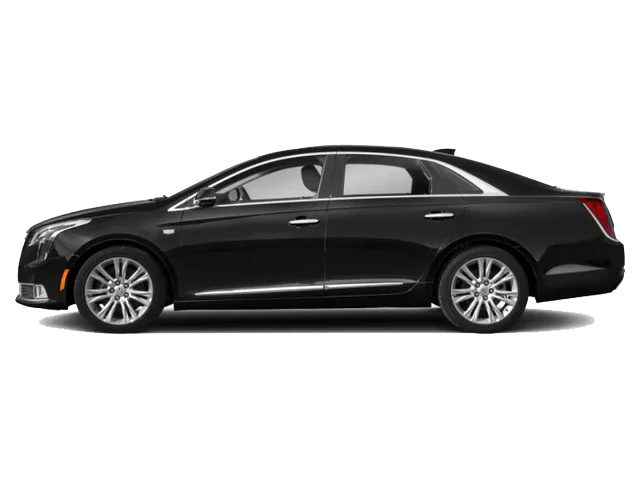 Executive sedan
-
 SUV
SUV
-
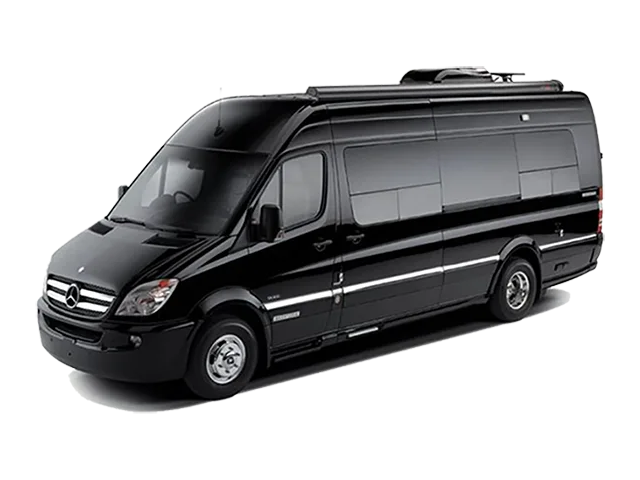 Sprinter
Why VaultPac for this
- Assignment is recorded, so the credentialed driver is the driver who arrives.
- As-directed standby rather than fixed times, because a perimeter invalidates fixed times.
- One dispatch picture across several vehicles inside a zone where phones are the worst tool available.
- Credentialing handled through the organiser's process in advance, not on the morning.
The operating experience behind VaultPac
The operating experience behind VaultPac includes movement at a secured international event: Chicago Limousine's participation in ground transportation for the 2012 NATO Summit in Chicago, where chauffeur screening for controlled-access areas was part of the operation. That experience belongs to Chicago Limousine, not to VaultPac.
VaultPac was built by transportation operators. Where this site describes earlier work, that work was performed by Chicago Limousine — the transportation operation behind VaultPac — and not by VaultPac itself.
Important
- Access, credentialing and perimeter control are decided and administered by the event's controlling authority. VaultPac applies through their process and has no ability to grant or guarantee access.
- VaultPac is not a security agency and holds no protective or law-enforcement authority.
Questions
Can you guarantee vehicle access to a secured zone?
No, and nobody honestly can. Access is granted by the event's controlling authority through their own credentialing process. What we do is apply through it early, assign specific drivers and vehicles, and keep those assignments fixed so the credential matches the person.
How far in advance is credentialing needed?
That is set by the organiser and it is usually much earlier than people expect — weeks rather than days for a major secured event. It is the first conversation to have, not the last.
Next step
Plan high-security events with us
Tell us the shape of the movement — dates, numbers, where it starts and where it has to end. We come back with an operating plan and a price, not a form letter.