
Flight crew, private aviation
Crew moved on the aircraft's schedule, not the office's
Pilot and crew movement between the FBO, the crew hotel, meals and rest — including the late repositioning that nobody wants to arrange at eleven at night.
Available on requestAccount setup, billing and standing requirements.
Part of Private Aviation · all services
What this service handles
Crew movement is the part of a charter operation that is always arranged last and always at the worst time. A repositioning leg lands at ten, the crew hotel is thirty minutes away, duty rules mean the timing is not negotiable, and the FBO's courtesy car is out.
VaultPac runs crew as ordinary passenger movements with the aviation context attached — FBO, tail number, operator — dispatched from the same board as everything else, so a recurring pattern becomes a standing arrangement rather than a nightly phone call.
For flight departments and charter operators this is usually a recurring contract rather than a per-trip booking, and it is priced that way.


Typical movement
- Aircraft on the ground FBO and tail recorded on the movement
- Crew collected At the FBO, on the aircraft's actual timing
- To the crew hotel Or meals, rest or a second field
- Return for the next leg Timed against the duty schedule
Who uses this service
- Charter operators
- Corporate flight departments
- Fractional operators
- FBOs arranging crew transport
- Aircraft management companies
How VaultPac coordinates it
Every booking is a trip. A trip carries trip services, and each service breaks into the individual movements that actually have to happen — which is why the people and the bags do not have to travel the same way.
- Trip
- Trip services
- Individual movements
-
FBO coordination
Tail number, operator, FBO and arrival details captured on the movement so the vehicle meets the aircraft rather than the terminal.
-
Passenger movement
Sedan, SUV, Sprinter, minibus and coach movements priced and dispatched by the transportation engine.
-
Operator assignment
Movements assigned to a specific operator and vehicle, with the assignment visible to dispatch throughout.
-
Dispatch monitoring
Every movement on one board while it runs, so a late arrival is seen rather than reported.
-
Account billing
Charges belong to an account rather than to a single booking, so one programme can carry several contacts, cards and cost centres.
-
Changes during the trip
Times, stops, vehicles and passenger counts can change after a trip has started without rebooking it.
-
Masked communication
Passenger and chauffeur reach each other without either holding the other's number.
What runs this movement
Assignment reads the passenger count and the bag count, so the vehicle that arrives fits both. Larger movements run several.
-
 Executive sedan
-
 SUV
SUV
-
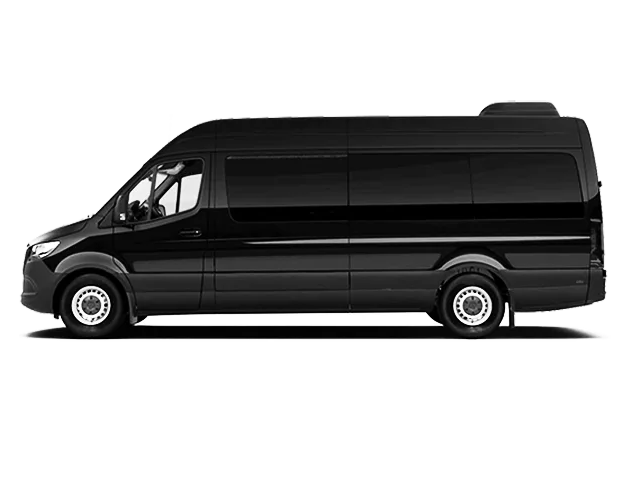 Passenger van
Why VaultPac for this
- Dispatched from the aircraft's timing rather than from a booked slot that no longer applies.
- Recurring crew patterns run as a standing arrangement on an account, not as nightly bookings.
- Late and repositioned legs are the normal case here rather than an exception to apologise for.
Questions
Can this run as a standing contract?
Yes, and it usually should. Recurring crew movement sits on an account with account-level billing rather than being booked and paid trip by trip.
How late can crew be collected?
Operating hours are set by the arrangement rather than by a published window. Tell us the pattern you actually fly and we will tell you what we can commit to rather than what sounds good.
Next step
Plan aircraft crew with us
Tell us the shape of the movement — dates, numbers, where it starts and where it has to end. We come back with an operating plan and a price, not a form letter.